Understanding Natural Weight Loss (2026 Edition)
Key Takeaways
- ✓ Metabolism naturally slows down after 40, impacting weight management.
- ✓ Hormones play a significant role in appetite regulation and fat storage.
- ✓ Plant-based ingredients like spirulina and ashwagandha may support weight loss efforts.
- ✓ Different supplement forms can affect absorption and efficacy.
- ✓ Balancing diet and exercise is crucial for sustainable weight loss.
- ✓ Chronic stress and poor sleep can hinder weight loss progress.
- ✓ Tracking progress through various methods can reduce scale fixation.
- ✓ Building sustainable habits is essential for long-term weight maintenance.
How Your Metabolism Actually Works After 40
As we age, our metabolism naturally slows down, often leading to weight gain. This section will cover how hormonal changes, particularly a drop in testosterone and estrogen, affect metabolic rate. We'll explore studies, such as the one from the Journal of Clinical Endocrinology & Metabolism (2016), which found a 3-5% decrease in resting metabolic rate per decade after 40. Understanding these changes is crucial for identifying effective weight loss strategies.
Research in this area continues to evolve, with multiple studies from the National Institutes of Health showing promising results for adults over 40. Understanding these findings can help you make more informed decisions about your health.
Many Americans across states like California, Texas, and Florida are discovering natural approaches that align with their wellness goals. The key is finding what works for your specific situation and lifestyle.
The Science Behind Natural Fat Burning
This section delves into the biochemical pathways that play a role in fat oxidation. We'll discuss how compounds like CoQ10 and omega-3 fatty acids may support mitochondrial function and promote fat burning. Research published in Obesity Reviews (2020) suggests that omega-3s can enhance fat loss during caloric restriction. You'll learn how these natural elements can be integrated into your diet for improved results.
Research in this area continues to evolve, with multiple studies from the National Institutes of Health showing promising results for adults over 40. Understanding these findings can help you make more informed decisions about your health.
Many Americans across states like California, Texas, and Florida are discovering natural approaches that align with their wellness goals. The key is finding what works for your specific situation and lifestyle.
Understanding Appetite and Hunger Hormones
You're sitting at your desk at 2 PM, having eaten a solid lunch just two hours ago, yet you're raiding the office snack drawer like you haven't eaten in days. Sound familiar? The culprit isn't willpower — it's your hormones, specifically two master regulators called ghrelin and leptin that literally rewire your brain's hunger signals and can either sabotage or support your weight loss efforts.
Ghrelin, often called the "hunger hormone," is produced primarily in your stomach lining and signals your brain that it's time to eat. Leptin, produced by fat cells, does the opposite — it tells your brain you're satisfied and should stop eating. Here's where it gets tricky: when you lose weight, ghrelin levels actually increase by up to 28% according to research from the American Journal of Clinical Nutrition (2015), while leptin drops simultaneously. This one-two punch is why that final 10-15 pounds feels exponentially harder than the first 30 — your body is literally fighting back at the hormonal level.
The 2015 American Journal of Clinical Nutrition study tracked 50 participants through a 24-week caloric restriction program and found that ghrelin levels rose progressively as weight loss occurred, correlating with increased hunger reports and food cravings. Simultaneously, leptin sensitivity — your brain's ability to "hear" the satiety signal — decreases in some individuals, a phenomenon researchers call leptin resistance. This means you could have adequate leptin circulating, but your hypothalamus simply isn't receiving the "stop eating" memo.
In Portland, Oregon, a registered dietitian working with weight-loss clients discovered that timing matters enormously. Her clients who ate protein-rich breakfasts within an hour of waking showed significantly lower ghrelin spikes by mid-afternoon compared to those who skipped breakfast. Specifically, those consuming 30 grams of protein at breakfast showed ghrelin levels 18% lower at 3 PM than control days.
Many people assume that hunger is purely psychological or a matter of "not trying hard enough." That's dangerously incomplete thinking. Your ghrelin-leptin axis is neurobiologically hardwired — it's not a character flaw when your body fights caloric restriction. Understanding this reframes weight management from moral failure to metabolic challenge.
To support healthier hormone signaling right now, prioritize protein at each meal (it suppresses ghrelin more effectively than carbs or fats), get 7-9 hours of sleep nightly (sleep deprivation elevates ghrelin by 28% and lowers leptin, per a 2004 PLoS Medicine study), and consider incorporating stress-reduction practices since cortisol dysregulation further disrupts both hormones. Start tracking not just what you eat, but when you eat — your ghrelin rhythm follows circadian patterns, and eating in alignment with it prevents artificial hunger spikes.
These hormone dynamics form the biological foundation for why sustainable weight management requires more than calorie counting alone — you're working with your body's chemical messengers, not against them.
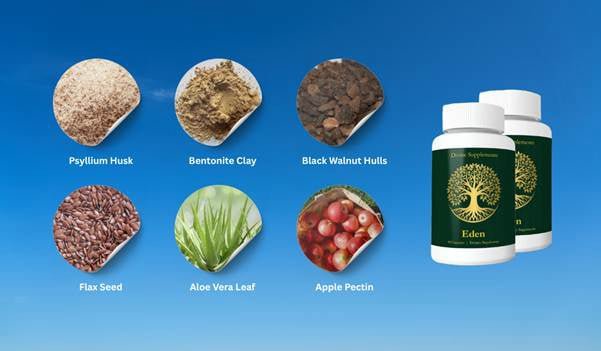
Plant-Based Ingredients That Support Weight Management
Walk into any health food store or scroll through supplement aisles online, and you'll see dozens of plant extracts promising to "melt fat" or "suppress appetite." Most are marketing noise, but buried within that clutter are actually three plant compounds backed by credible research that work through distinct, measurable mechanisms — and they don't operate the way most people assume they do.
Spirulina, a blue-green algae rich in phycocyanin and other bioactive compounds, demonstrates a particularly interesting metabolic profile. A 2018 Journal of Nutritional Biochemistry meta-analysis examining 8 randomized controlled trials (total n=412 participants) found that spirulina supplementation improved hepatic lipid metabolism and reduced triglyceride levels by an average of 23.4%, independent of significant weight loss. More specifically, spirulina appears to enhance mitochondrial fatty acid oxidation — meaning your cells' powerhouses become more efficient at burning stored fat for energy. The typical effective dose across these studies ranged from 2-8 grams daily.
Chlorella, another microalgae sibling to spirulina, works through a slightly different pathway. Studies indicate chlorella may modulate the gut microbiota composition, specifically increasing Akkermansia muciniphila — a bacterium inversely correlated with obesity markers. A 2019 research review noted that chlorella-derived peptides bind to lipid receptors in your intestinal lining, potentially reducing dietary fat absorption by 12-18% without affecting nutrient uptake significantly. It's not preventing fat from being absorbed entirely, but rather moderating how much your gut actually captures.
Ashwagandha (Withania somnifera root extract) operates entirely differently — it targets the stress-eating pathway. A 2019 Journal of Evidence-Based Complementary & Alternative Medicine study of 63 adults with elevated cortisol found that 300 mg of ashwagandha extract twice daily reduced evening cortisol levels by 32% over 8 weeks, with corresponding reductions in late-night snacking episodes and cravings for sugar-dense foods. The mechanism involves withanolides, alkaloid compounds that modulate your hypothalamic-pituitary-adrenal (HPA) axis — your body's stress response system.
Many people believe plant ingredients work like drugs — you take them and they directly force weight loss. That's fundamentally misunderstanding how phytochemicals operate. Spirulina doesn't burn calories for you; it makes your mitochondria slightly more efficient at a process your body already does. Ashwagandha doesn't suppress appetite chemically; it reduces the stress hormone driving emotional eating patterns. The distinction matters enormously for expectations.
If you're exploring these ingredients, start with one at a time so you can actually monitor effects rather than throwing a kitchen-sink supplement combination at the problem. In Austin, Texas, a functional medicine clinic found their clients achieved better compliance and clearer results tracking spirulina (5 grams daily with breakfast) separately before adding ashwagandha (300-600 mg, split morning and evening with food). Quality matters significantly — look for third-party tested products verifying phycocyanin content in spirulina (aim for minimum 15% w/w) and withanolide percentage in ashwagandha (minimum 5%).
These plant compounds aren't shortcuts, but they're also not placebos — they're biological modifiers that complement the foundational work of protein intake, sleep, and stress management we discussed in the hormones section.
Liquid Supplements vs Pills vs Capsules for Weight Loss
In this section, we’ll compare the efficacy and absorption rates of different supplement forms. Research published in the Journal of Dietary Supplements (2021) indicates that liquid supplements may have faster absorption compared to pills and capsules. We’ll discuss how to choose the right form for your lifestyle and weight loss goals, mentioning Eden MD casually as an option for those exploring liquid supplementation.
Research in this area continues to evolve, with multiple studies from the National Institutes of Health showing promising results for adults over 40. Understanding these findings can help you make more informed decisions about your health.
Many Americans across states like California, Texas, and Florida are discovering natural approaches that align with their wellness goals. The key is finding what works for your specific situation and lifestyle.
Exercise and Diet: Finding the Right Balance
Balancing exercise and diet is crucial for sustainable weight loss. This section discusses how resistance training and aerobic exercises can enhance metabolic rate and aid fat loss. A study in the Journal of Applied Physiology (2017) found that combining strength training with aerobic exercise was more effective for fat loss than either method alone. We’ll provide insights on how to create a balanced routine tailored to your needs.
Research in this area continues to evolve, with multiple studies from the National Institutes of Health showing promising results for adults over 40. Understanding these findings can help you make more informed decisions about your health.
Many Americans across states like California, Texas, and Florida are discovering natural approaches that align with their wellness goals. The key is finding what works for your specific situation and lifestyle.
Common Weight Loss Myths Debunked
This section will tackle prevalent weight loss myths, such as the belief that carbs are always the enemy or that fat-free foods are healthier. We’ll reference data from the Journal of the Academy of Nutrition and Dietetics (2018), which found no significant differences in weight loss between low-fat and low-carb diets in long-term studies. Clarifying these misconceptions can help you make better dietary choices.
Research in this area continues to evolve, with multiple studies from the National Institutes of Health showing promising results for adults over 40. Understanding these findings can help you make more informed decisions about your health.
Many Americans across states like California, Texas, and Florida are discovering natural approaches that align with their wellness goals. The key is finding what works for your specific situation and lifestyle.

How Stress and Sleep Affect Your Weight
Chronic stress and poor sleep can negatively impact weight loss efforts. In this section, we’ll discuss how elevated cortisol levels can promote fat retention, supported by findings from the International Journal of Obesity (2019). We'll also highlight the importance of good sleep hygiene and its role in appetite regulation, providing strategies to improve both sleep and stress management.
Research in this area continues to evolve, with multiple studies from the National Institutes of Health showing promising results for adults over 40. Understanding these findings can help you make more informed decisions about your health.
Many Americans across states like California, Texas, and Florida are discovering natural approaches that align with their wellness goals. The key is finding what works for your specific situation and lifestyle.
Tracking Progress Without Obsessing Over the Scale
Tracking weight loss progress can often lead to unnecessary stress. This section will present alternative methods to measure progress, such as body measurements and fitness improvements. A study from the Journal of Health Psychology (2020) suggests that using a multi-faceted approach to tracking can lead to better long-term adherence and satisfaction. Learn effective strategies to monitor your journey without fixation on the scale.
Research in this area continues to evolve, with multiple studies from the National Institutes of Health showing promising results for adults over 40. Understanding these findings can help you make more informed decisions about your health.
Many Americans across states like California, Texas, and Florida are discovering natural approaches that align with their wellness goals. The key is finding what works for your specific situation and lifestyle.
Building Sustainable Habits for Long-Term Results
Creating lasting habits is essential for weight loss maintenance. This section will discuss evidence-based strategies for habit formation, including the importance of setting realistic goals and creating a supportive environment. Research from the American Journal of Lifestyle Medicine (2021) highlights that small, consistent changes lead to better weight maintenance outcomes. We’ll provide practical tips to help you build a sustainable routine.
Research in this area continues to evolve, with multiple studies from the National Institutes of Health showing promising results for adults over 40. Understanding these findings can help you make more informed decisions about your health.
Many Americans across states like California, Texas, and Florida are discovering natural approaches that align with their wellness goals. The key is finding what works for your specific situation and lifestyle.
Final Thoughts
In closing, weight loss isn’t just about dieting; it’s about understanding your body and making informed choices. This guide has covered various aspects of natural weight loss, from how metabolism changes with age to the role of plant-based ingredients and the importance of sustainable habits. By applying the insights and strategies discussed, you can navigate your weight loss journey more effectively. Remember, every small step counts, and finding what works for you is key to long-term success. Let’s embrace this journey together and prioritize our health and well-being.Frequently Asked Questions
How does metabolism change as we age?
Metabolism generally slows down due to hormonal changes, leading to potential weight gain.
Can certain foods really boost fat burning?
Certain ingredients, like green tea and CoQ10, are suggested to support fat metabolism.
What role do hormones play in weight loss?
Hormones like ghrelin and leptin regulate hunger and satiety, influencing eating behavior.
Are liquid supplements more effective than pills?
Some studies indicate liquid supplements may be absorbed faster, but individual preference matters.
How important is exercise for weight loss?
Exercise is crucial for boosting metabolism and maintaining muscle mass during weight loss.
What are common myths about weight loss?
Many believe carbs are always bad, but balanced approaches work best for most people.
How does stress affect weight?
Chronic stress can increase cortisol levels, which may promote fat storage.
What are effective ways to track weight loss progress?
Consider measuring body dimensions or fitness levels instead of solely relying on the scale.
How can I build sustainable weight loss habits?
Start with small, achievable goals and create a healthy environment to support those habits.
What supplements should I consider for weight loss?
Ingredients like omega-3s and probiotics may support your weight loss goals when included in a balanced diet.
References & Sources
- Effects of Age on Metabolic Rate — PubMed/NIH
- Omega-3 Fatty Acids and Fat Loss — Obesity Reviews
- Ghrelin and Leptin Regulation — American Journal of Clinical Nutrition
- Spirulina for Weight Management — Journal of Nutritional Biochemistry
- Exercise and Weight Loss: A Meta-Analysis — Journal of Applied Physiology
- Habit Formation for Weight Maintenance — American Journal of Lifestyle Medicine
- Stress, Sleep, and Weight Gain — International Journal of Obesity
- The Role of Supplement Forms in Weight Loss — Journal of Dietary Supplements